Kitchen remodeling in 2026 is all about blending smart functionality, sustainable materials, and personalized design choices that reflect how homeowners actually live today. As the kitchen continues to evolve from a cooking space into a central hub for entertaining, working, and gathering, new design trends are focusing on comfort, efficiency, and long-term value. Whether you’re planning a full renovation or a simple upgrade, understanding the latest kitchen remodeling trends in 2026 can help you make smarter design decisions.
Smart Kitchens Become the New Standard
One of the most defining kitchen remodeling trends in 2026 is the rise of fully integrated smart kitchens. Technology is no longer an optional upgrade—it’s becoming a core feature of modern kitchen design. Homeowners are increasingly installing smart appliances such as refrigerators that track groceries, ovens with app-controlled cooking settings, and voice-activated lighting systems.
Touchless faucets and motion-sensor lighting are also becoming standard in many kitchen remodels. These features not only improve convenience but also enhance hygiene and energy efficiency. As smart home ecosystems continue to grow, kitchens are being designed to seamlessly connect with devices like smartphones, tablets, and home assistants.
Sustainable and Eco-Friendly Materials
Sustainability is a major driving force in kitchen remodeling trends for 2026. Homeowners are more conscious of environmental impact and are choosing materials that are both durable and eco-friendly. Recycled countertops, bamboo cabinetry, and reclaimed wood finishes are increasingly popular choices.
Low-VOC paints and finishes are also in demand, improving indoor air quality while reducing harmful emissions. Energy-efficient appliances certified by ENERGY STAR remain a top priority for remodelers looking to reduce utility bills while supporting environmental responsibility.
Water-saving fixtures, such as efficient dishwashers and faucets with aerators, are also playing a bigger role in modern kitchen design. These eco-friendly upgrades not only benefit the environment but also provide long-term cost savings.
Open Concept Kitchens with Defined Zones
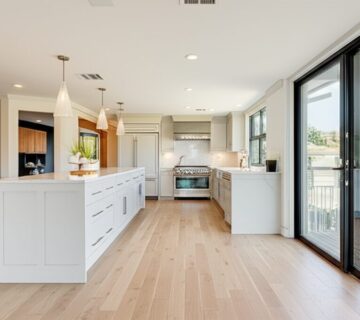
While open concept layouts remain popular, 2026 is introducing a more refined version of this design style. Instead of completely open kitchens, homeowners are opting for “broken-plan” layouts that create subtle zones within a larger space.
This means using partial walls, kitchen islands, or sliding panels to define cooking, dining, and social areas without completely closing off the kitchen. The goal is to maintain openness while improving functionality and reducing noise and clutter visibility.
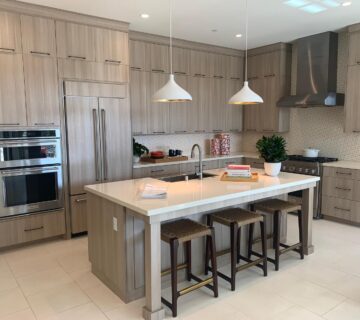
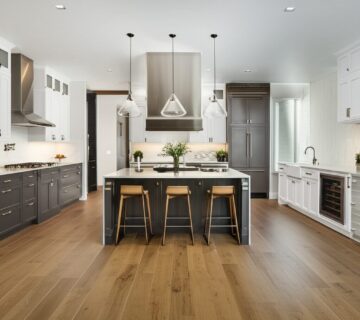
Large kitchen islands continue to dominate remodeling projects, often serving multiple purposes such as food preparation, dining, and workspace. Many homeowners are also incorporating secondary prep kitchens or “scullery” spaces to keep the main kitchen clean and organized.
Bold Colors and Natural Finishes
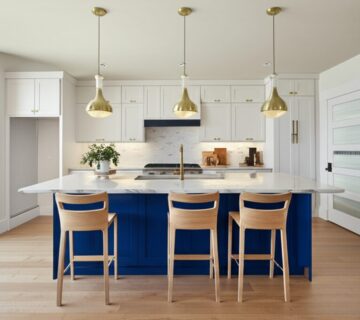
Neutral kitchens are evolving in 2026, with more homeowners embracing bold color choices and natural textures. Deep greens, navy blues, and earthy tones are replacing all-white kitchens, adding personality and warmth to the space.
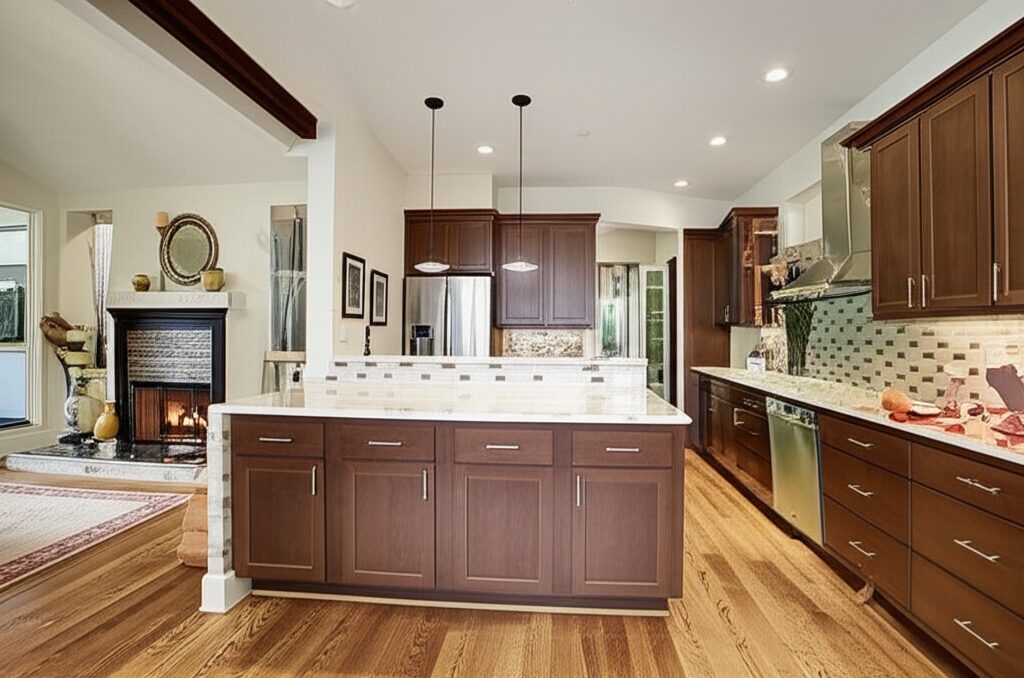
At the same time, natural materials like stone, marble, and wood are being used to balance bold color palettes. The combination of rich colors and organic textures creates a sophisticated yet inviting atmosphere.
Matte finishes are also gaining popularity over glossy surfaces, especially for cabinetry and fixtures. These finishes offer a modern, understated look while being easier to maintain and clean.
Minimalist Design with Maximum Functionality
Minimalism continues to influence kitchen remodeling trends in 2026, but with a stronger emphasis on functionality. Clean lines, hidden storage, and clutter-free countertops are key features of modern kitchen design.
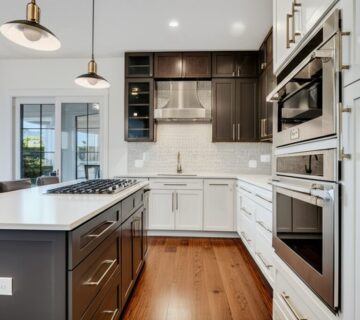
Handleless cabinets, push-to-open drawers, and integrated appliances help create a streamlined aesthetic. Smart storage solutions such as pull-out pantries, corner drawer systems, and vertical storage racks maximize every inch of available space.
The focus is not just on simplicity, but on making kitchens more efficient and easier to use in everyday life.
Statement Lighting as a Design Feature
Lighting is no longer just functional—it’s a key design element in kitchen remodeling. In 2026, statement lighting fixtures are being used to define style and enhance ambiance.
Oversized pendant lights over kitchen islands, LED strip lighting under cabinets, and layered lighting designs are all popular choices. Adjustable lighting systems allow homeowners to change brightness and tone depending on the time of day or activity.
Warm lighting is especially favored, as it creates a welcoming atmosphere that complements both modern and traditional kitchen designs.
Multifunctional Kitchen Spaces
Modern lifestyles demand flexibility, and kitchens in 2026 are being designed to serve multiple purposes. Many homeowners now use their kitchens as home offices, social hubs, and even learning spaces for children.
This has led to the rise of multifunctional kitchen layouts that incorporate built-in desks, charging stations, and flexible seating areas. Kitchen islands are often designed with extended seating to accommodate work, dining, and social interaction.
Conclusion
Kitchen remodeling trends in 2026 reflect a shift toward smarter, more sustainable, and highly functional living spaces. From advanced smart technology and eco-friendly materials to bold design choices and multifunctional layouts, today’s kitchens are more personalized than ever.
Whether you’re planning a full renovation or updating specific features, staying current with these trends can help you create a kitchen that is not only beautiful but also efficient, future-ready, and perfectly suited to modern living.